
How to Choose the Right Live Music Venue in Singapore for Your Next Gig
Most of us know that not all stages are created equal. There is, after all, a real difference between Carnegie Hall and your living room, and it isn’t just the chandelier. The gap between a venue that serves your performance and one that works against it comes down to concrete, practical factors ranging from the quality of the sound system and how the room is configured for an audience to what the booking deal means for you and whether the load-in is going to cost you an hour and a pulled muscle. This guide walks you through every factor worth weighing before you commit to a room.
Stage Size and Technical Setup
The stage has to fit your act, and not just in terms of square footage. Get the dimensions before you confirm anything and map out what your setup actually requires—instrument positions, amp placement, pedal boards, the distance your drummer needs to feel comfortable. A stage that’s too small limits how you move and perform, and the audience is capable of feeling that constraint.
Beyond the space itself, dig into the technical infrastructure:
- Is there a professional PA system in-house, or are you expected to bring your own?
- How many monitor mixes are available, and are they wedge or in-ear?
- What is the power supply on stage—sufficient outlets, the right amperage for your setup?
- Is backline provided or is there a hire arrangement in place?
- Does the venue run its own lighting rig, and is there a dedicated operator on the night?
For artists earlier in their career, venues that provide solid house backline and a reliable PA remove a significant logistical burden. For more established acts travelling with their own gear, the priority shifts to whether the venue’s infrastructure integrates cleanly with yours without requiring workarounds on the night.
Sound System and Engineering Support
The audience hears what comes out of the speakers. No amount of strong performance compensates for a poor front-of-house mix. A well-tuned room with a skilled engineer can elevate a set considerably; and the inverse is equally true, and far more common than it should be.
When assessing a venue, ask:
- Is there a dedicated front-of-house engineer on the night, or is the mix self-managed?
- Has the room been acoustically treated, or are there known issues with flutter echo or low-end buildup from hard surfaces?
- What is the PA system? Professional-grade brands are a reliable indicator that the venue has invested in its infrastructure seriously.
- What is the soundcheck arrangement—a proper window per act, or a rushed line check shared between multiple performers?
A proper soundcheck, one where you can walk the room, dial in your monitors and address any issues before doors open, should be prioritised when you compare venues. Those that deprioritise it are signalling something about how they view the performance side of the evening.
Audience Capacity and Venue Fit
Capacity affects atmosphere more directly than most performers account for when they’re choosing a room. A venue sized right for your current draw creates a sense of occasion—the performance feels like an event rather than something happening in the background. Scaling up too quickly, before the audience is there to fill the room, disperses that energy in a way that’s difficult to recover from mid-set.
You might also want to understand how the venue’s existing audience behaves:
- Does the room attract walk-in audiences open to discovering new acts, or does the entire crowd need to come from your own following?
- Is it a dedicated listening room, or a bar environment where live music competes with ambient conversation?
- How is the seating and standing configuration arranged relative to the stage—is there a natural focus point, or does the layout fragment the audience’s attention?
Choosing a room that matches where you are now, rather than where you’d like to be, is a strategic decision. A packed smaller room almost always serves a performer better than a half-full larger one.
Genre Fit and Programming Culture
A venue that programmes consistently within your genre has already done a significant amount of work on your behalf. The audience that walks in on a typical night is predisposed to the kind of music you make, the equipment is calibrated for it, and the booking team understands what a successful show looks like in that context. Performing in a room that’s a natural genre fit removes a layer of resistance that no amount of energy on stage fully overcomes.
Research a venue’s recent line-up before approaching them. Look at who they’ve booked, how those acts are promoted, and whether the venue’s overall identity is consistent with yours. A venue that invests in professional documentation of their performances—photography, video, active coverage across their channels—treats its artists as part of the venue’s own story, which has real value for your profile beyond the night itself.
Also clarify the deal structure before you agree to anything:
- Is it a guaranteed fee, a door split or a bar-performance arrangement?
- Does the venue co-promote the show, or does the marketing responsibility fall entirely on you?
- Is there scope to return and build a regular audience at this venue over time?
Load-In, Logistics and Green Room Facilities
The hours before a show are part of the performance, even if the audience doesn’t see them. A smooth load-in and a proper space to prepare affect the energy you bring on stage in ways that are easy to underestimate until you’ve experienced the alternative.
Before confirming a booking, establish:
- What time load-in begins and whether there is lift or step-free access for heavy equipment
- Whether there is a green room or dedicated space for performers to wait and warm up
- Where gear is stored during the set if not everything is on stage
- Whether parking is available nearby for artists bringing equipment by vehicle
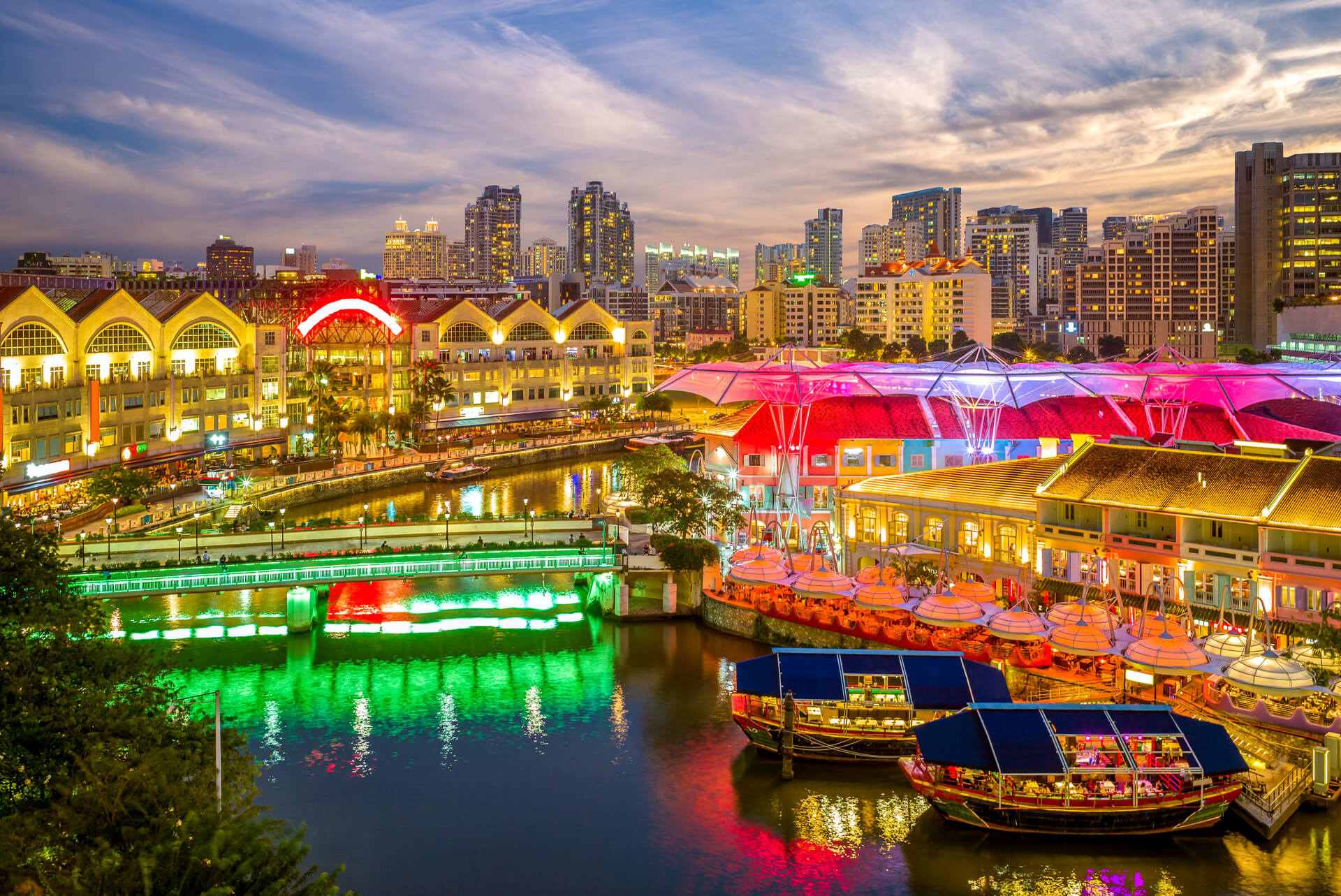
Many of Singapore’s livehouses sit within Clarke Quay and the broader CBD, where venue access varies considerably between buildings. Confirming logistics in advance is a five-minute conversation that saves a great deal of unnecessary stress on the day itself.
Location and Audience Accessibility
Proximity to public transport is one of the more overlooked factors in predicting turnout, particularly on weeknights when the decision to attend often gets made and unmade several times between 5pm and showtime. A venue near a major MRT interchange lowers that barrier meaningfully.
Consider the location from your audience’s perspective:
- Is the venue within reasonable walking distance of an MRT station?
- Does the surrounding area have enough foot traffic to support walk-in attendance?
- Is parking accessible for those who drive, particularly for weekend shows?
- Does the neighbourhood have an established nightlife presence that supports later set times and keeps the audience out longer?
For established acts with a committed following who will make the journey regardless, location is a lower-order concern. For emerging artists where every attendee represents a real opportunity to grow a following, however, an accessible venue is a practical advantage to factor in.
Food, Beverage and the Overall Guest Experience
A venue that keeps its audience well-served keeps them in the room longer, and an audience that’s settled and comfortable is more present than one that’s restless or waiting to be attended to. The hospitality side of a venue is easy to overlook from a performer’s perspective, but it has a direct effect on the atmosphere you’re performing in.
Look for venues where:
- Food service runs throughout the performance without creating disruption or noise that cuts across the set
- The menu is suited to a long evening (dishes designed for sharing, not a structured sit-down pace that wraps up before the music starts)
- Service is attentive enough that the audience stays focused instead of being distracted by slow turnaround
When the food and drink side of a venue is working well, the room develops an atmosphere that a performer can actually feed off. That’s worth more than it might seem when you’re planning the night in advance.
Pick the Right Room Then Fill It
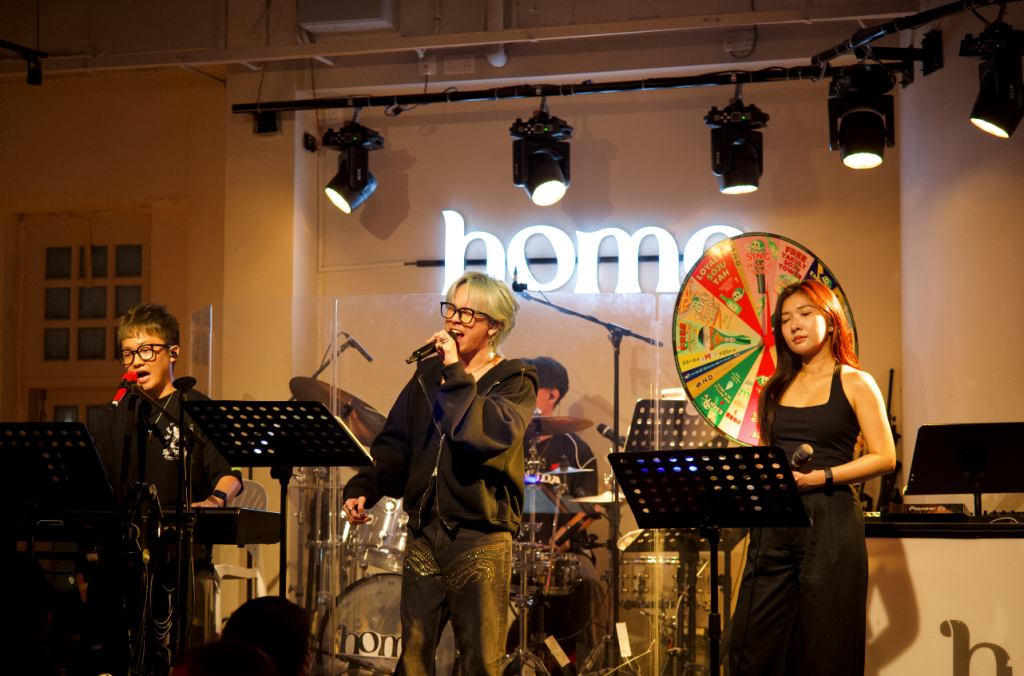
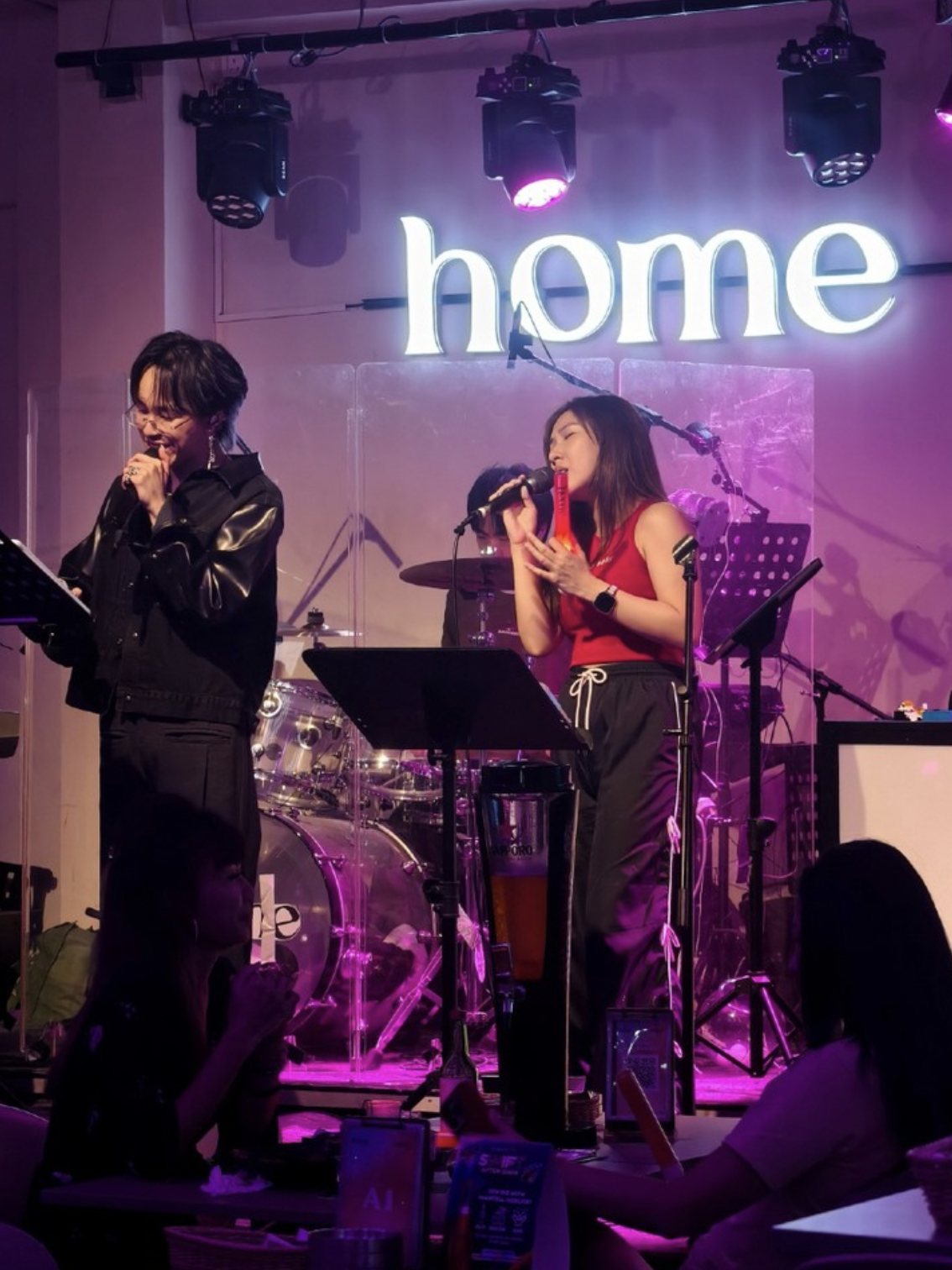
The venues that stay with you are the ones where everything was working—the sound, the crowd, the energy in the room. HOME DUSK at Clarke Quay was built to be one of those rooms: an intimate livehouse where the food is taken as seriously as the PA, and where performers are supported from load-in to last song. If you’re scouting venues for your next gig in Singapore, it’s a room that’s also so much more.
Find out more or enquire about booking here.

Leave a Reply